

How The Grease Company Is Helping Southern California Restaurants Simplify Their Used Cooking Oil Recycling

The Grease Company service truck supporting free used cooking oil pickup for restaurants across Southern California communities.
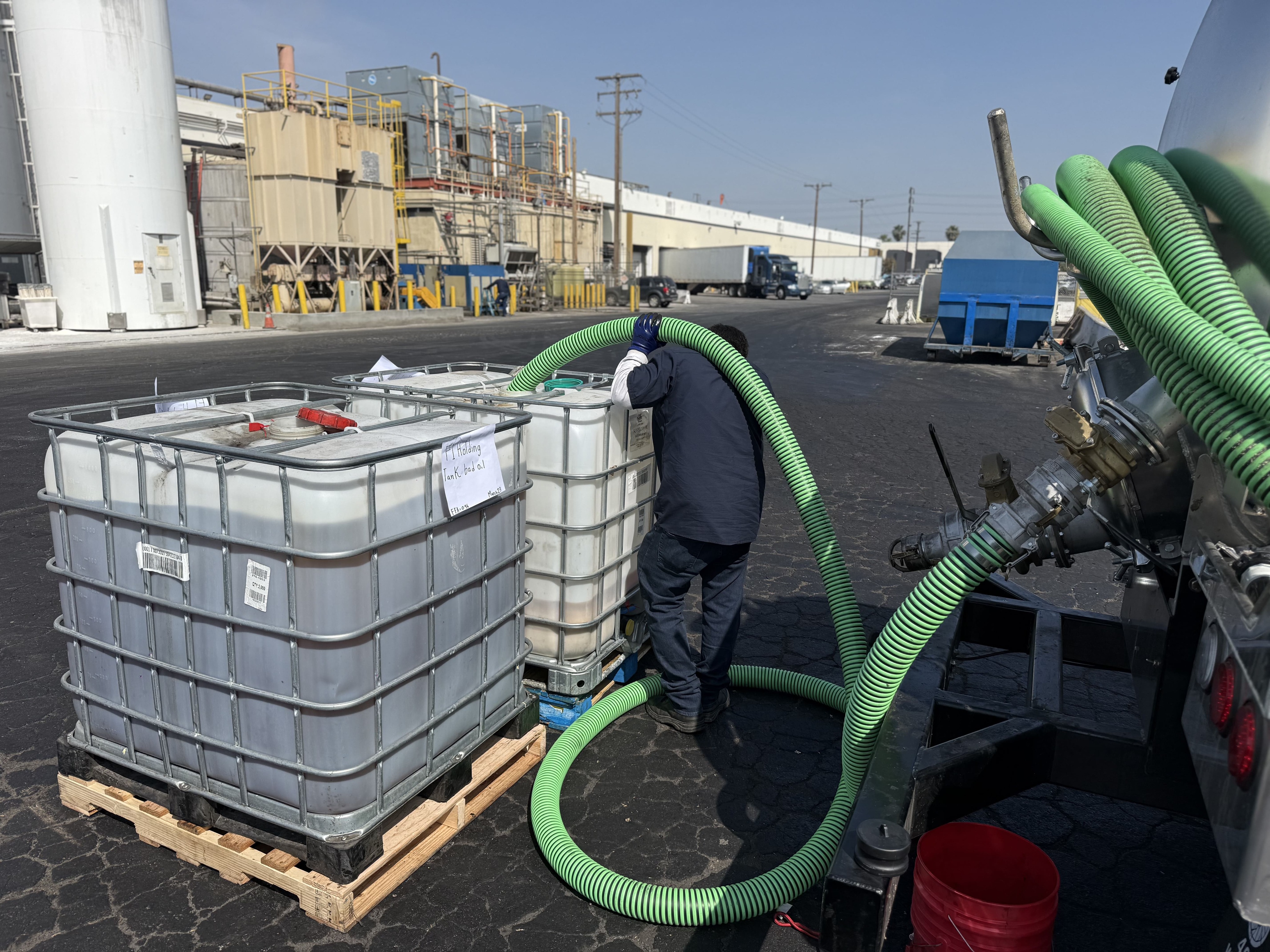
A local used grease recycling facility supporting the collection and processing of commercial cooking oil in Los Angeles.
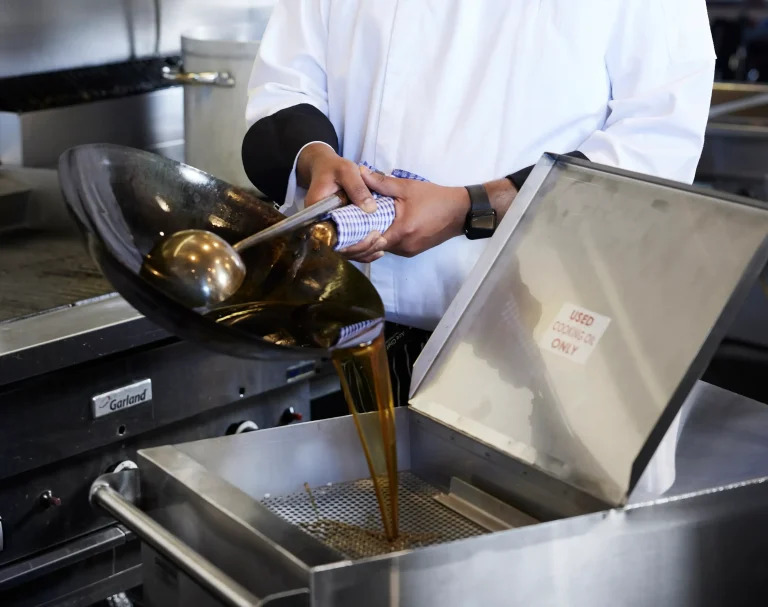
Employees carefully strain used cooking oil before transferring it into a designated collection container for safe storage.
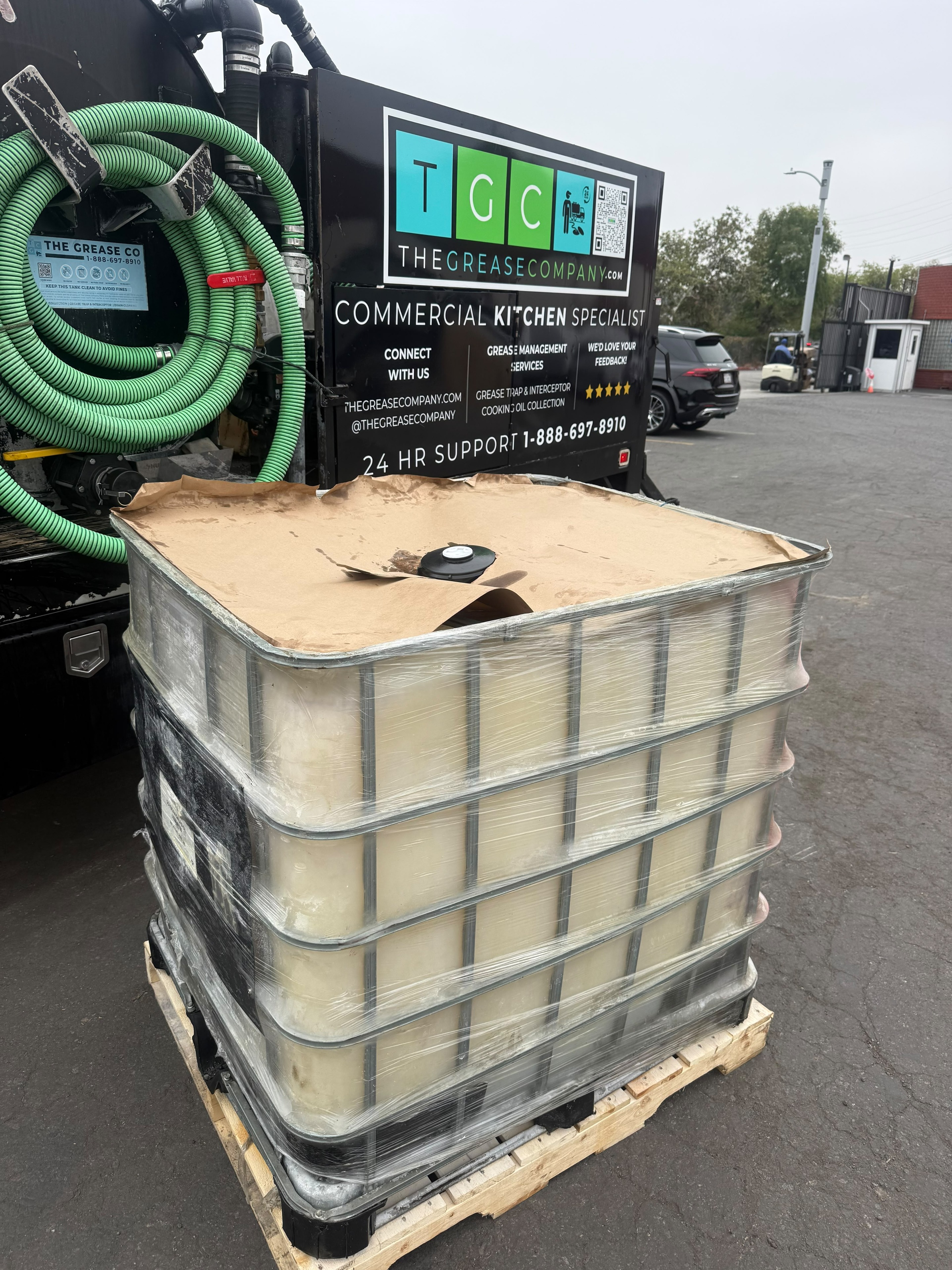
A used cooking oil collection container provided by The Grease Company for commercial restaurant kitchens.
The Grease Company helps Southern California restaurants with professional used cooking oil management through used oil storage containers and free oil pickup.
Busy restaurants in Southern California counties, including Los Angeles, San Diego, Orange, San Bernardino, Riverside and Ventura use gallons of different types of vegetable oil, and animal fats for cooking. Once the oil is used and is removed from cooking equipment, it cannot simply be poured down a sink or floor drain. Grease and oil can accumulate within plumbing and wastewater systems, contributing to blockages, sewer clogs and other drainage problems. Even small amounts disposed of repeatedly can become a larger concern when multiplied across commercial kitchens and food-service establishments. The issue becomes more significant in areas where thousands of restaurants and food businesses operate within relatively dense communities. Southern California's extensive restaurant industry generates used cooking oil continuously, making proper waste oil management important not only at the individual business level but also as part of broader commercial waste management practices.
For restaurant owners and kitchen managers, responsible handling begins at the point where oil leaves the deep fryer. Used cooking oil should be transferred into an appropriate used cooking oil container rather than being discarded with ordinary kitchen waste or introduced into plumbing systems. A designated storage location can help keep the material contained until it is collected and can also give employees a clear procedure to follow during busy kitchen operations. Waste kitchen grease storage practices deserve attention because used oil is often accumulated over time rather than removed immediately. Containers need to be suitable for the material and positioned in a way that supports organized handling. Restaurant employees should know which container is designated for used cooking oil and should avoid mixing unrelated materials into the collection stream. Contamination can affect the quality and subsequent handling of collected oil.
Restaurants also need to consider what happens when their storage container becomes full. Attempting to transport commercial quantities of used cooking oil without appropriate equipment or an established used cooking oil collection arrangement can create unnecessary problems. A professional commercial grease management company may provide a more organized oil removal between the restaurant's kitchen operations and the local recycling center. Local grease haulers in Southern California, such as The Grease Company, provide free used cooking oil pickup for qualifying food businesses across six busy counties of SoCal. The company's role in this process is focused on collecting and transporting yellow grease from commercial food manufacturers so that the material can move through appropriate recycling channels. The broader objective is not simply to remove a container full of grease from a restaurant. Commercial grease collection service should connect the point of oil production with facilities equipped to receive and process recyclable used vegetable oil.
So, what does collected used cooking oil become after it leaves a restaurant kitchen? Depending on its quality and composition, waste cooking oil and expired food-grade oil can be taken to authorized recycling facilities and processed for different purposes, including renewable biofuel production, industrial applications, and other approved uses. Because the quality of collected oil can also influence its commercial value, restaurants interested in selling used cooking oil may receive different rebate amounts based on factors such as oil quality, volume, and contamination levels. Water, food particles, cleaning chemicals, and other unwanted materials can reduce the quality of the material and may affect both its processing options and potential value. Commercial kitchens can support better recycling by keeping used cooking oil separate from other waste, preventing unnecessary contamination, and storing it properly in designated collection containers until scheduled pickup.
Accountability is another important part of responsible used cooking oil management. Restaurant operators should know who is collecting their oil, how it is being transported, and what happens to the material after it leaves the business premises. This is especially important for commercial kitchens that generate substantial volumes and arrange recurring grease collections. A clear relationship with a licensed IKG hauler should provide businesses with information about scheduled pickups, transportation, and relevant documentation, helping restaurant managers maintain an accurate record of their grease-management activities. Food service establishments of Southern California also have recordkeeping responsibilities related to the handling and removal of their used cooking oil. Keeping these manifest reports organized can help operators demonstrate that their used oil is being managed through an established process. Before handing over valuable used cooking oil, restaurants should also verify the identity and credentials of the collector rather than allowing unauthorized individuals to remove containers from their property to avoid grease theft. Knowing where the oil goes after pickup adds another layer of accountability to responsible commercial grease management.
In Southern California, it is the responsibility of the restaurant to ensure their used cooking oil disposal is done in proper manner. Improper disposal can allow fats, oils, and grease to accumulate inside plumbing and sewer infrastructure, potentially contributing to sewer backups, unpleasant odors, and costly maintenance problems. For food businesses, these issues can extend beyond routine kitchen disruption and may result in cleanup expenses, plumbing repairs, or complaints from neighboring properties. Staff training is also therefore an important part of grease management. Every employee who handles fryer oil should understand where it belongs, which containers are designated for collection, and why even seemingly small amounts should never be discharged into a drain. Improper grease disposal can also create regulatory consequences when a business violates applicable wastewater, sewer, environmental, or local disposal requirements. Depending on the jurisdiction and circumstances, authorities may require corrective action, inspections, cleanup, or other enforcement measures, while repeated or serious violations can expose businesses to substantial financial penalties and additional liability. Restaurants should not assume that pouring oil down a drain is a minor kitchen shortcut; commercial food businesses are expected to follow applicable grease-management and wastewater rules. Maintaining clear employee procedures, appropriate storage, collection records, and a documented method for removing used cooking oil can help businesses demonstrate that they are taking their responsibilities seriously.
For more than a decade, The Grease Company has worked with restaurants and food-service businesses across Southern California to encourage more responsible management of used cooking oil and other grease-related materials. The company serves businesses across Los Angeles, Orange, San Diego, Riverside, San Bernardino, and Ventura counties, helping commercial kitchens establish practical ways to handle materials that are generated as part of their everyday food preparation. By offering free used cooking oil collection, TGC aims to make responsible oil management accessible without creating an additional financial burden for restaurant operators. Its approach emphasizes clear communication, dependable service, and respectful relationships with the businesses and communities it serves. Keeping cooking oil out of drains, storing it properly, and ensuring it reaches an appropriate facility are simple practices that can contribute to cleaner communities and better resource recovery throughout Southern California.
“Used cooking oil may seem like a routine kitchen byproduct, but improper disposal can create serious problems for restaurants and the communities around them,” said a representative of The Grease Company. “When oil is poured into drains or handled without proper storage and collection, it can contribute to clogged plumbing, sewer problems, environmental concerns, and potentially costly regulatory consequences. Restaurants should not wait for a backup, complaint, inspection, or penalty before taking grease management seriously. Our goal is to help all food processing establishments recognize the risks before they become expensive problems and make responsible used cooking oil management a normal part of their daily kitchen operations.”
Miko Del Rosario
The Grease Company
+1 888-697-8910
email us here
Visit us on social media:
Instagram
Facebook
YouTube
Legal Disclaimer:
EIN Presswire provides this news content "as is" without warranty of any kind. We do not accept any responsibility or liability for the accuracy, content, images, videos, licenses, completeness, legality, or reliability of the information contained in this article. If you have any complaints or copyright issues related to this article, kindly contact the author above.
