

Cup Material Selection Influences Beverage Insulation, Condensation, and Temperature Retention
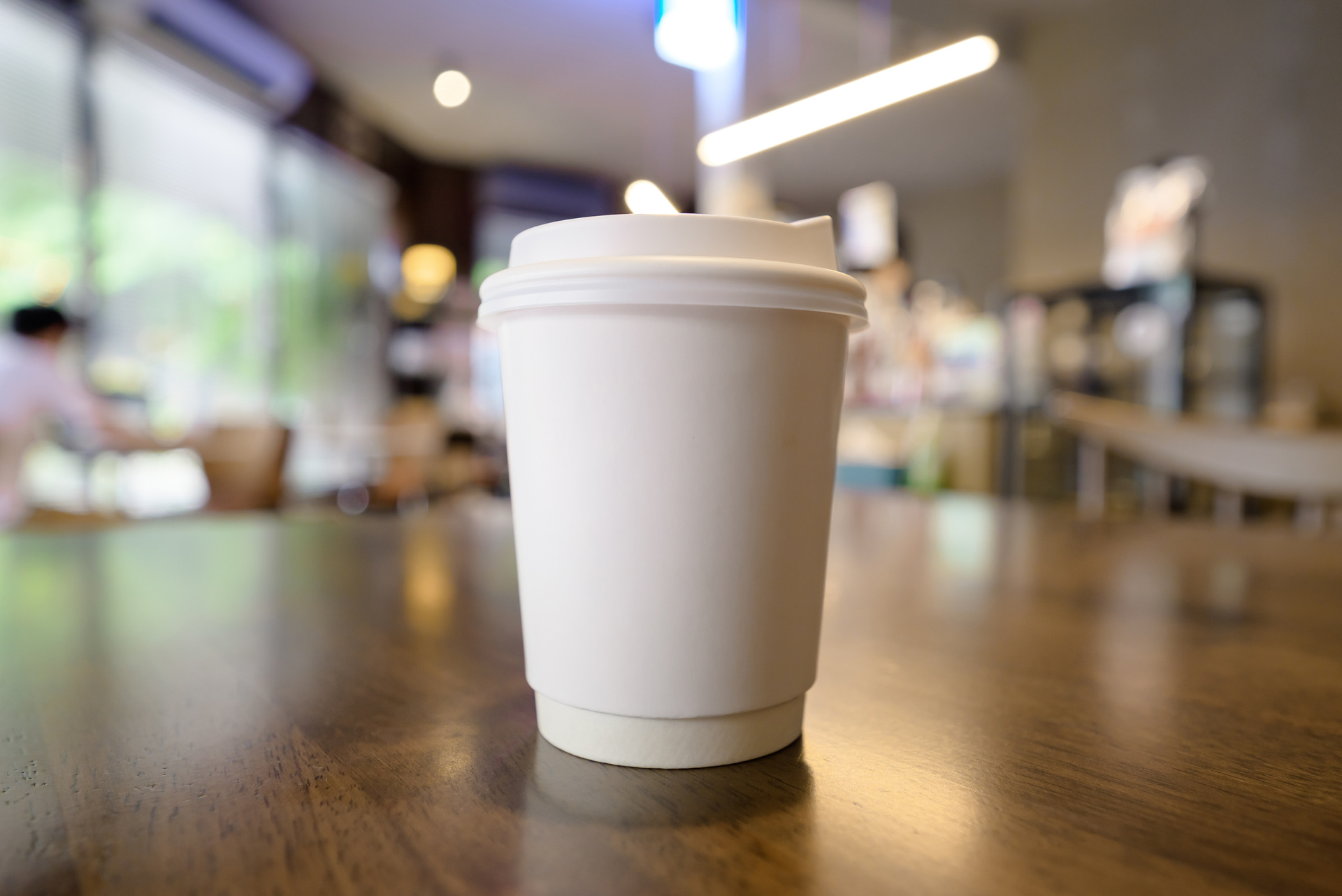

Different cup materials respond differently to hot and cold beverages”
BATON ROUGE, LA, UNITED STATES, October 16, 2026 /EINPresswire.com/ -- — Destin Pizer
The materials used in disposable beverage cups can influence temperature retention, condensation formation, handling comfort, and overall beverage service conditions. Although cup selection is often based on capacity, cost, and intended use, the thermal properties of different materials can affect how quickly beverages warm or cool and whether moisture develops on the exterior surface.
Schneider Paper Products, a paper and disposable foodservice products company in Baton Rouge, Louisiana, is highlighting the relationship between cup construction, insulation, and condensation, particularly in foodservice environments where hot and cold beverages are served throughout the day.
Paper, plastic, foam, and multilayer cup constructions respond differently to temperature changes. Material thickness, thermal conductivity, surface characteristics, and surrounding environmental conditions can influence performance.
Understanding these differences can help restaurants, cafeterias, convenience stores, and other foodservice operations evaluate beverage containers according to specific serving requirements.
Understanding Heat Transfer Through Cup Materials
Heat naturally moves from warmer areas toward cooler areas. When a hot beverage is placed inside a cup, thermal energy transfers through the container walls and into the surrounding environment.
Cold beverages experience the opposite effect, absorbing heat from warmer surroundings.
The rate of heat transfer depends on several factors, including material composition, wall thickness, temperature differences, and the presence of insulating layers.
Materials with relatively low thermal conductivity generally slow conductive heat transfer compared with materials that conduct heat more readily.
However, overall beverage temperature retention also depends on heat movement through the cup opening, lid, and exposed surfaces.
According to Destin Pizer with Schneider Paper Products in Baton Rouge, cup construction deserves consideration when evaluating beverage service requirements.
"Different cup materials respond differently to hot and cold beverages," Pizer said. "Wall thickness, insulation, and material composition can influence how quickly temperatures change and whether condensation forms on the outside. Understanding those characteristics helps explain why certain cup designs are used for different types of beverages."
Paper Cups and Thermal Performance
Paper cups are commonly used for coffee, tea, soft drinks, and other beverages.
Most disposable paper beverage cups incorporate an internal coating or barrier designed to help prevent liquid from penetrating the paper structure.
The insulating properties of a paper cup depend partly on its construction.
Single-wall paper cups provide a relatively thin barrier between the beverage and surrounding air.
When filled with hot liquids, these cups may become uncomfortable to hold without an additional sleeve.
Double-wall and insulated paper cups incorporate additional layers or air spaces that reduce heat transfer through the sidewalls.
These designs can improve handling comfort and influence beverage temperature retention.
For cold beverages, paper cups may experience exterior condensation when surface temperatures fall below the surrounding air's dew point.
Moisture resistance depends on the cup's external surface treatment and construction.
Plastic Cups and Condensation Formation
Plastic cups are frequently used for iced beverages, soft drinks, smoothies, and other cold refreshments.
Common plastic materials include polyethylene terephthalate, polypropylene, and polystyrene, although individual products differ in composition and intended applications.
Single-wall plastic cups generally provide limited thermal insulation compared with containers incorporating dedicated insulating layers.
When a cold beverage lowers the exterior cup temperature below the dew point, water vapor in the surrounding air can condense into droplets.
This moisture originates from the surrounding atmosphere rather than passing through an intact cup wall.
Condensation may become particularly noticeable in humid environments.
In South Louisiana, elevated humidity can contribute to visible moisture accumulation on cold beverage containers.
The amount of condensation depends on ambient temperature, relative humidity, cup surface temperature, and exposure time.
Foam Cups and Insulating Properties
Expanded polystyrene foam cups contain numerous small gas-filled cells that reduce heat transfer through the material.
This structure provides thermal insulation that can help limit temperature changes and improve handling comfort.
Foam cups are commonly associated with both hot and cold beverage applications.
For cold beverages, insulating walls may help maintain an exterior surface temperature closer to the surrounding air temperature, potentially reducing condensation compared with less insulated containers under similar conditions.
However, performance varies according to wall thickness, beverage temperature, environmental conditions, and container design.
Material selection also involves considerations beyond thermal performance, including disposal requirements, recycling limitations, and applicable local regulations.
Why Humidity Matters in Louisiana
Condensation occurs when water vapor in the air contacts a surface cold enough to cause moisture to form.
The temperature at which this process begins is known as the dew point.
High humidity generally increases the likelihood that a cold beverage container will develop visible condensation.
In Baton Rouge and surrounding communities, warm and humid conditions can make condensation particularly noticeable during much of the year.
Excessive exterior moisture may affect cup handling, countertops, beverage trays, and surrounding paper materials.
Although cup material influences exterior surface temperature, condensation cannot be evaluated through material type alone.
Cup design, beverage temperature, airflow, and ambient humidity all contribute to the outcome.
The Role of Cup Lids and Additional Insulation
Cup lids can influence beverage temperature retention by reducing exposure at the opening.
For hot beverages, lids may limit heat loss associated with air movement and evaporation.
For cold beverages, lids can reduce heat exchange through the opening and help prevent spills.
Additional insulating components, including sleeves and multilayer constructions, may also influence thermal performance.
A sleeve can improve handling comfort when a hot beverage causes the cup exterior to become warm.
However, the effectiveness of these components depends on their materials, fit, and construction.
Beverage Type and Serving Conditions
Different beverages create different container requirements.
Hot coffee and tea may require cups designed to tolerate elevated temperatures without losing structural integrity.
Iced drinks introduce concerns involving condensation, prolonged moisture exposure, and temperature retention.
Frozen beverages may produce additional thermal demands because of their lower serving temperatures.
Foodservice operations should consider manufacturer temperature ratings and intended-use specifications when selecting containers.
Not every plastic or paper cup is appropriate for hot liquids, and certain materials may deform or lose structural stability when exposed to temperatures outside their intended range.
Environmental and Disposal Considerations
Cup material selection can also affect waste handling and disposal practices.
Paper cups containing plastic coatings may require specialized recycling processes, depending on local recycling capabilities.
Plastic cups vary in recyclability according to resin type, contamination, and local collection programs.
Foam products may face additional recycling limitations or restrictions in certain jurisdictions.
Environmental considerations should account for actual local processing options rather than assumptions based solely on material appearance.
Evaluating Cup Performance
Cup insulation and condensation behavior result from interactions among material properties, construction methods, beverage temperatures, and environmental conditions.
A cup suitable for one beverage application may perform differently under another set of circumstances.
Understanding these relationships can help foodservice operators evaluate practical considerations involving handling, moisture accumulation, and temperature retention.
About Schneider Paper Products
Schneider Paper Products is a paper and disposable foodservice products company based in Baton Rouge, Louisiana. Owned by Destin Pizer, the company serves businesses requiring paper products, foodservice disposables, and related packaging materials.
Morgan Thomas
Rhino Digital, LLC
+1 504-875-5036
Visit us on social media:
Facebook
Legal Disclaimer:
EIN Presswire provides this news content "as is" without warranty of any kind. We do not accept any responsibility or liability for the accuracy, content, images, videos, licenses, completeness, legality, or reliability of the information contained in this article. If you have any complaints or copyright issues related to this article, kindly contact the author above.
